
Deer-Proofing Your Property: Expert Planting Services for Hopewell Valley
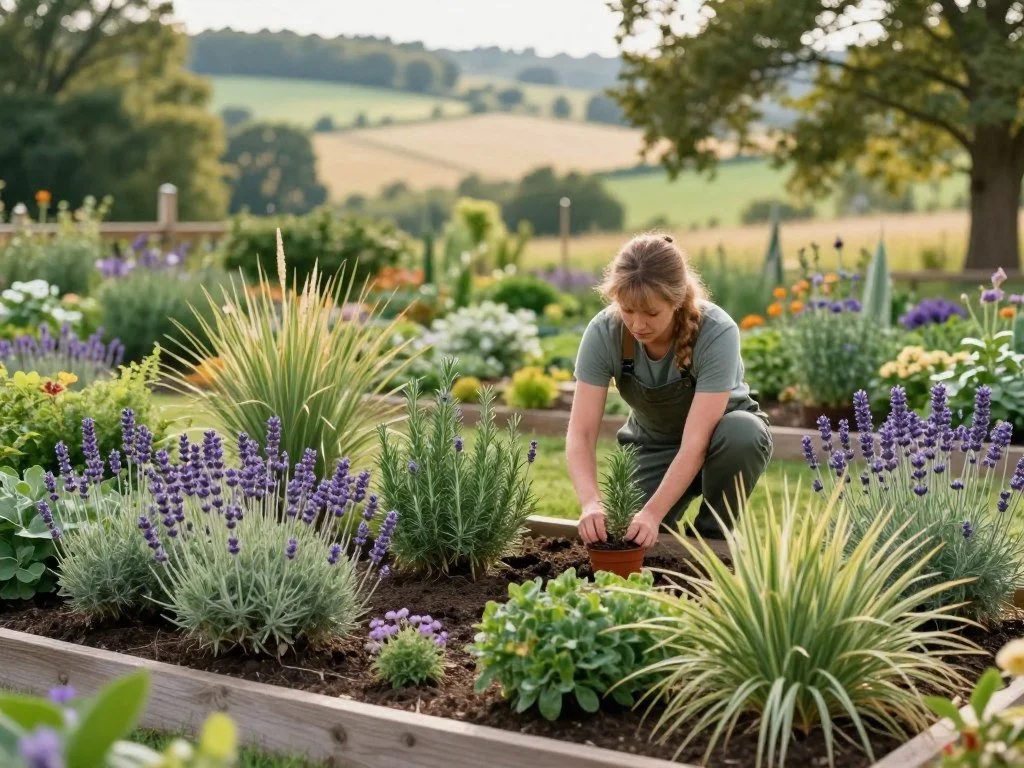
Homeowners in Hopewell Valley often need deer-smart solutions that protect new trees and shrubs while improving curb appeal. Professional planting services focus on the right tree for the right place, matching species to local soil, sun, and climate for long-term success.
Nick’s Custom Tree & Lawn Service emphasizes species placement and future growth when planning tree planting. That approach reduces early losses and supports a more resilient yard.
Delis Landscaping notes that smart selection and careful installation build privacy screens, boost landscape value, and support sustainability. This is not a promise of zero deer browsing, but a practical strategy to cut damage.
Read on to learn how to spot deer damage, set realistic deer-resistant goals, follow a step-by-step tree planting process, and maintain healthy roots and mulch so your property looks better year after year.
Key Takeaways
Choose species suited to site conditions to lower deer impact and improve longevity.
Smart placement helps with privacy, curb appeal, and a sustainable landscape.
Professional tree planting focuses on long-term root health and proper mulching.
Deer-proofing reduces damage but does not guarantee total prevention.
Site assessment—drainage, sunlight, and spacing—cuts avoidable failures.
Deer Pressure in Hopewell Valley Landscapes and Why It Matters
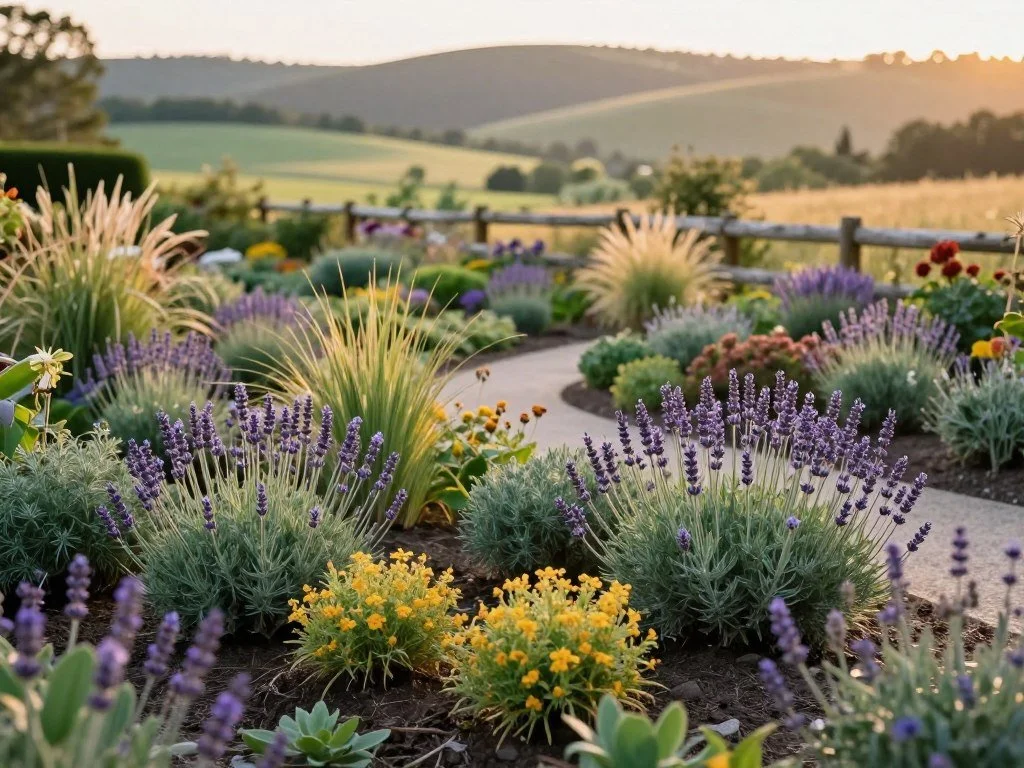
Many Hopewell Valley yards see steady deer pressure that targets tender new growth and sets back landscape work. This consistent browsing can be worse in spring and fall when buds and shoots are most vulnerable.
Common signs of deer damage
Look for ragged leaf edges, stripped buds, and repeated tip browsing that alters a plant's natural shape. Newly planted beds often show missing shoots or uneven growth after repeated visits.
How browsing affects plant health and long-term value
Browsing is more than cosmetic. Plants divert energy to replace lost tissue, which slows growth and reduces flowering. Stress from repeated damage makes trees and shrubs more vulnerable to drought and disease during establishment.
Homeowners need plans that address more than “something deer won’t eat.” A strategy that matches deer-resistant options with site-appropriate species supports long-term health and improves landscape value. Proper establishment can boost curb appeal and may raise property value by up to 20% when done well.
Deer-Resistant Planting Goals for Beauty, Privacy, and Curb Appeal
Smart landscape design pairs ornamental interest with practical protection for front yards, entries, and patios. Clear goals help homeowners choose the right mix of plants to keep yards attractive despite deer activity.
Balancing aesthetics with practical protection for high-traffic areas
Start by naming your priorities: boost curb appeal in sightlines, add backyard privacy, or maintain beauty near walkways. High-traffic areas need plants that tolerate foot traffic and pruning while staying tidy.
Using trees and shrubs to create natural privacy and a sustainable landscape
Layering with canopy trees, mid-story specimens, and foundation plantings creates year-round structure. Combining trees with a tree shrub understory fills gaps and reduces the need for constant replacement.
Choose site-appropriate species to lower water and care demands and protect the environment. Plan for mature height and width so privacy works long term and you avoid repeat work.
These goal-based choices then guide species selection, spacing, and installation methods recommended for each area of your property.
Our Deer-Smart Planting Services for Homes and Properties
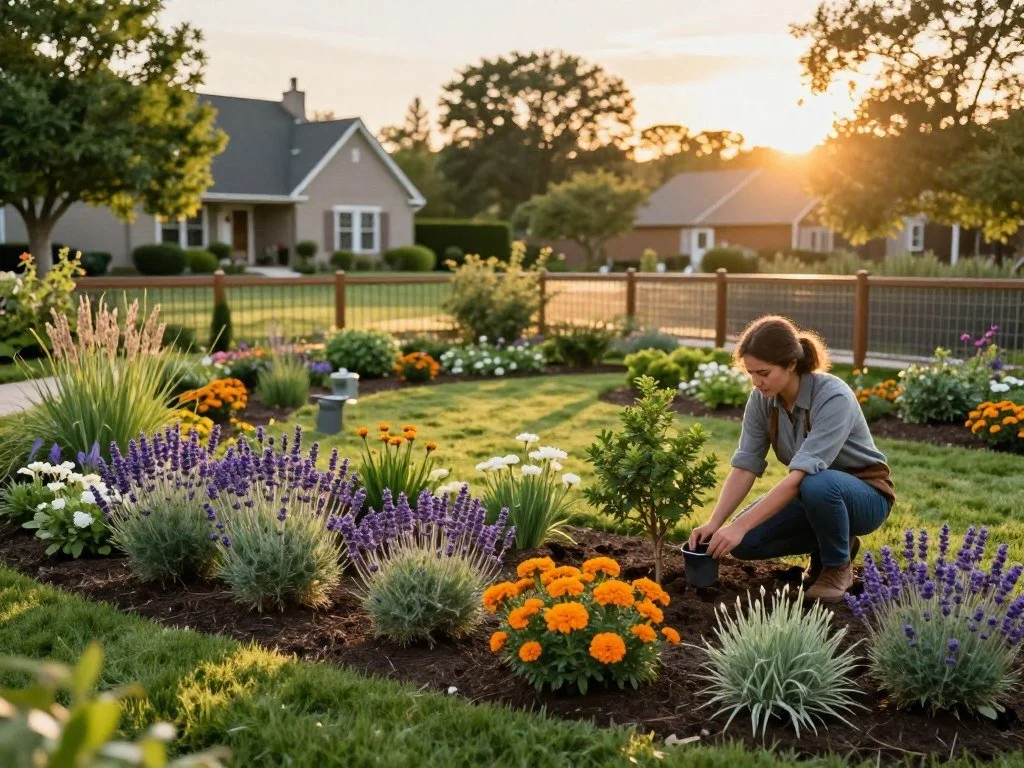
Our team offers focused planning and installation to help Hopewell Valley properties resist deer damage while improving landscape function. We combine species selection, placement strategy, and professional tree work to raise success rates for new plantings.
Tree planting and coordinated tree-shrub installation
We plan and execute tree planting and coordinated tree-shrub installation that build layers for screening, wind buffering, and year-round interest. Projects are sized to avoid crowding and reduce future conflicts with structures and utilities.
Plant selection support across categories
Clients get guidance on native, ornamental, evergreen, and flowering options. Deer-resistant choices are prioritized where browsing pressure is highest, and we consider growth rate, mature size, and seasonal traits when recommending species.
Right plant, right place
Our method matches each species to its location, available space, sun exposure, and intended role—privacy, accent, or shade. This professional tree focus prevents impulse buys and improves long-term health for your property.
Expect a holistic plan: proper plant type, smart placement, and establishment care work together to reduce deer setbacks and save time and cost over the life of the landscape.
Site Assessment and Planning for Long-Term Success
Long-term success begins with observing how soil, sun, and water behave across your yard. A quick look on planting day is not enough; proper site preparation and evaluation set the stage for healthy roots and fewer surprises.
Evaluating soil and ground conditions
We test soil quality by feeling texture and checking compaction. Simple observations reveal whether organic matter or native soil ingredients need amendment.
Ground conditions, like thin topsoil or packed areas, change installation methods and often affect which species will thrive.
Reviewing drainage and water movement
Drainage checks show where water collects and where it sheds across the site. Understanding water movement helps prevent root oxygen loss and lowers disease risk.
Mapping sun, spacing, and mature size
Sun direction and daily exposure patterns guide placement for flowering plants and evergreen screening. Use mature size, not nursery size, when planning spacing to avoid overcrowding and extra work later.
Proximity planning and area goals
We plan for distance from foundations, walkways, and utilities so plants meet design goals without causing conflicts. Each area of the property — front entry, side boundary, backyard retreat — gets clear installation goals tied to measurable outcomes.
Professional Tree and Shrub Installation That Protects Roots and Promotes Growth
Professional planting installation starts below ground, where careful root work sets the stage for decades of healthy tree growth. Attention to depth, soil mixing, and a proper mulch ring helps reduce early stress and speeds establishment.
Proper depth, root handling, and placement
Technicians place each tree at the correct depth so the root flare sits just above grade. Planting too deep or too shallow can choke roots or expose them to drying.
Root handling includes teasing circling roots, orienting the root collar, and setting the tree so it grows true. These steps build a stable root system that supports long-term growth.
Soil preparation and smart amendments
Good installation loosens surrounding soil and adds amendments only when tests show a need. Correct soil work improves drainage and nutrient access without creating a false comfort zone for roots.
Mulching strategies for moisture and weed control
Apply a 2–4 inch mulch ring, keep mulch off trunks, and maintain a clear zone near stems. Mulching reduces weeds, holds soil moisture, and helps new tree and tree shrub roots establish faster.
Quality work reduces rework, supports recovery from minor deer browsing, and lowers long-term care needs for your landscape.
Post-Planting Care for Newly Planted Trees and Shrubs
Timely attention to water, soil, and sun exposure gives new trees and shrubs their best start. Post-planting care is part of the job, not an afterthought, because most failures occur during the establishment window.
Watering plans that match season, soil, and exposure
Watering schedules change with season and soil texture. Sandy sites need more frequent, short waterings; clay holds moisture and needs less frequent, deeper watering.
Adjust for exposure: sunny, windy, or heat-reflective spots demand extra checks so roots stay moist but not waterlogged.
Maintenance services: pruning, fertilization, and health monitoring
Maintenance focuses on structure and resilience. Prune for clearance and form; fertilize only when soil tests justify nutrients to avoid weak, fast growth.
Routine health checks catch pests, dieback, and water stress early so small issues don’t become replacements.
Protecting new growth during establishment to reduce deer setbacks
Use temporary protection—physical guards or screening—to protect tender growth until plants gain size and strength. Monitor day-to-day after installation, then switch to weekly checks through the first growing season.
Consistent care and timely maintenance yield stronger growth, fuller screens, and fewer gaps in privacy plantings.
Choosing the Right Species for Hopewell Valley Conditions
Choosing the right species defines whether a yard thrives or struggles in Mid‑Atlantic yards like Hopewell Valley. Good selection balances performance in local conditions with the homeowner’s goals for privacy, shade, or seasonal interest.
How we weigh growth rate, mature size, and seasonal characteristics
We evaluate growth rate against structural strength and maintenance needs. Faster-growing trees can fill a screen quickly but may require more pruning or have weaker wood.
Mature size guides spacing and long‑term form. Choosing a tree suited to the intended space prevents crowding and repeated pruning cycles.
Seasonal traits — evergreen cover, bloom timing, and fall color — are chosen to deliver year‑round curb appeal and privacy when it matters most.
Reducing future issues by selecting plants suited to the environment
Selection favors species proven in local soils, sun patterns, and deer pressure. Native, ornamental, evergreen, and flowering options are weighed for resilience and ecological fit.
Regional experience, including lessons from the broader Lehigh Valley, helps predict which trees resist stress, disease, and repeated replacement.
Pairing species choice with proper placement — correct sun exposure, drainage, and soil — improves establishment and reduces long‑term problems.
Why Homeowners Choose a Professional Tree Planting Team
Hiring a seasoned team brings real planning that avoids common mistakes that harm trees and the earth. Experienced crews translate site details—soil, sun, and water—into choices that prevent chronic stress and early decline.
Experience-driven planning to avoid long-term consequences
Delis Landscaping has 45+ years of field experience and uses ISA Certified Arborists to assess ground factors and soil ingredients. That care cuts errors like incorrect depth or poor placement that can force later removal.
Reliable, insured work and industry-best practices
Homeowners get scheduled, insured crews and consistent quality on every job. This reliability reduces surprise delays, keeps standards high, and protects the earth during each installation.
Healthy trees that boost curb appeal and value
Proper establishment produces better form, denser screening, and fewer structural conflicts that lead to removal. Thriving trees and shrubs enhance landscaping and can raise property value by as much as 20% when done right.
Conclusion
Combining the right species with careful root protection and skilled tree planting drives long-term success for Mid‑Atlantic yards. Assess the soil and site, pick trees suited to local conditions, install with root health in mind, and follow a consistent aftercare plan.
Deer-resistant planning should be goal-driven — privacy, curb appeal, or a healthier landscape — not a guess about what might survive. Regional experience, including Lehigh Valley best practices, improves outcomes and reduces replacements.
Request an on-site evaluation to get a tailored planting plan that addresses your property needs and problem areas. Professional tree work and thoughtful design make landscapes look better now and perform better for years.
FAQ
What signs indicate deer are damaging trees, shrubs, or newly planted areas in Hopewell Valley?
Look for stripped bark on trunks, missing or clipped tips on branches, ragged or notched leaves, and repeated browsing at chest height on shrubs. You may also notice hoof prints, droppings, or paths through landscape beds. These signs show deer pressure that can stunt growth and reduce plant health.
How does deer browsing affect long-term plant health and landscape value?
Repeated browsing weakens plants, causes irregular growth, and opens wounds that invite pests and disease. Over time, this reduces flowering, structural form, and shade canopy, lowering curb appeal and property value. Addressing browsing early preserves aesthetic and ecological benefits.
Can I balance attractive planting with deer resistance for privacy and curb appeal?
Yes. Combining native evergreens, structured hedges, and ornamental species that deer avoid creates layered beauty and privacy. Strategic placement—using tougher plants in high-traffic or vulnerable spots—retains visual interest while protecting key areas.
What tree and shrub options work best for natural privacy in residential yards?
Dense evergreens like Eastern white pine, arborvitae (Thuja), and hybrid hollies create year-round screens. Mixed borders using serviceberry, dogwood, and native viburnums add seasonal interest while increasing structural diversity that discourages heavy browsing.
What does a professional deer-smart planting plan include?
A plan covers species selection, placement by sun and soil, spacing for mature size, root protection, and mulching recommendations. It also sets watering schedules and protective measures such as temporary fencing or repellents during establishment.
How do you choose the right species for Hopewell Valley conditions?
We assess sun exposure, soil texture, drainage, and microclimates, then match species by growth rate, mature height, and seasonal traits. Favoring natives and known deer-resistant varieties reduces maintenance and increases long-term success.
What should be evaluated on-site before installation?
Professionals check soil quality and ingredients, drainage patterns, existing root lines, sun direction, and how water moves across the landscape. This evaluation informs amendments, planting depth, and placement to prevent future stress.
How do you prepare soil to support new trees and shrubs?
We loosen compacted ground, add organic amendments like compost to improve structure and nutrients, and adjust pH if needed. Proper soil preparation helps roots establish quickly and reduces transplant shock.
What are the best planting techniques to protect roots and ensure growth?
Plant at the correct depth with a flared root collar, avoid circling roots, gently spread root systems, and backfill with amended soil. Firm the soil to eliminate air pockets and apply mulch to conserve moisture and moderate temperature.
How should newly planted trees and shrubs be watered in the first year?
Water deeply and infrequently—enough to moisten the root zone without waterlogging. Adjust frequency for season, exposure, and soil type: more often in sandy soils and hot, sunny spots; less on clay or shaded areas.
What mulching strategies reduce weeds and help retain soil moisture?
Apply a 2–4 inch layer of organic mulch, keeping it away from direct contact with trunks to avoid rot. Mulch suppresses weeds, insulates roots, and maintains even moisture. Replenish annually as it decomposes.
How can I protect new growth from deer during establishment?
Temporary measures include deer fencing, tree guards, or targeted repellents. Planting sacrificial or highly deer-resistant species nearby and using physical barriers around high-value specimens reduces browsing while plants mature.
What maintenance will my new landscape need after installation?
Regular tasks include seasonal watering, selective pruning to shape and remove damaged wood, monitoring for pests and disease, and periodic fertilization based on soil tests. Routine checks help catch issues before they harm long-term health.
Why hire a professional team for tree and shrub installation?
Experienced crews avoid common mistakes like improper depth, poor species selection, and inadequate soil prep. Professionals provide insured, reliable work, use industry best practices, and create plans that increase survival and property value.
Will properly installed and maintained plants increase my property’s value?
Yes. Healthy trees and well-designed landscapes boost curb appeal, provide shade, and create privacy—attributes that homebuyers prize. Professional planting reduces replacement costs and enhances long-term aesthetic and functional value.
