
What are Hardscaping Services? A Deep Dive into Patios, Walls, and More
Is your yard merely a grassy plot, or could it be the foundation for your home's most valuable living area? This question lies at the heart of understanding hardscaping services.
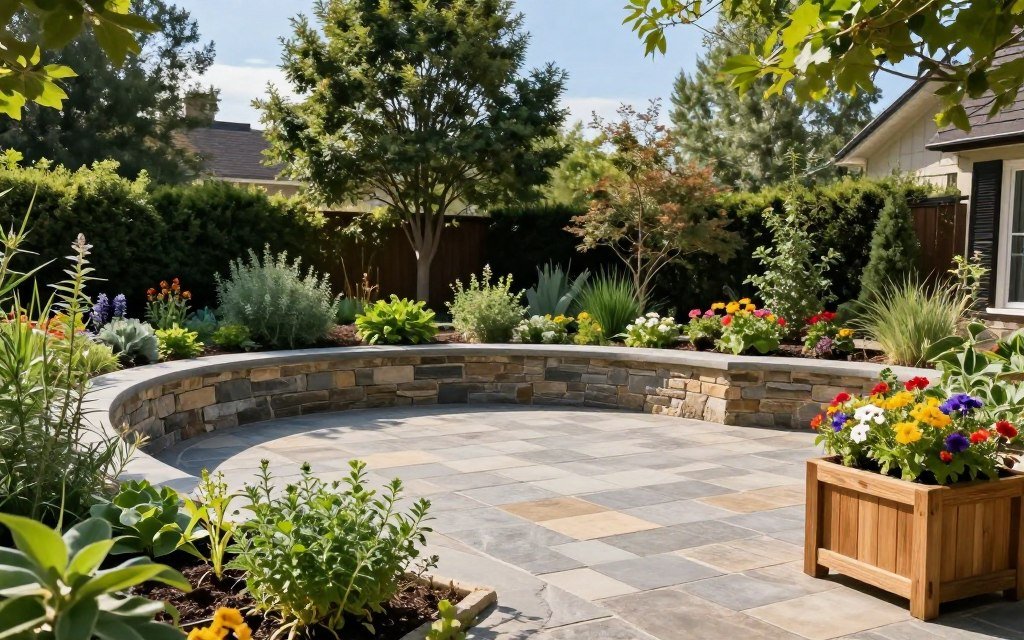
Hardscaping refers to the solid, non-horticultural portions of your landscape. These permanent structures create a harmonious outdoor environment. They work with nature to define your property's character.
Professional designers stress that a great landscape needs balance. Living plants require solid, permanent structures for support and definition. This synergy boosts both beauty and function.
Local experts agree. Adding hardscape elements improves your yard's utility and aesthetic appeal. Materials like stone and concrete build a durable foundation.
This integration elevates your home's exterior design. It also contributes to long-term property value. Your outdoor space becomes a true extension of your living area.
Key Takeaways
Hardscaping involves the non-living, structural elements of your outdoor area.
A balanced landscape combines softscape (plants) with hardscape (structures).
These permanent features greatly increase the usability of your yard.
Using materials like pavers and retaining walls adds durability and style.
Professional design and installation ensure cohesion and quality.
A well-executed hardscape plan enhances your property's curb appeal and value.
Consulting with local experts is key for a project suited to your region.
Understanding Hardscaping: An Introduction
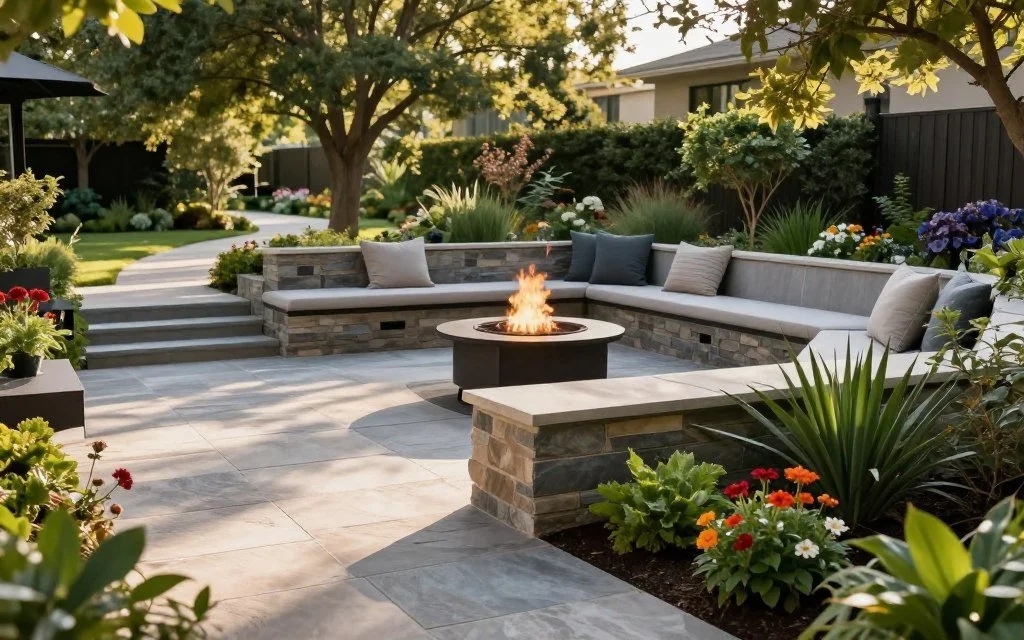
Hardscape features act as the architectural backbone, transforming an ordinary yard into a structured outdoor room. These components give your property its shape and utility.
They create distinct zones for relaxation and entertainment. This foundation supports all other design choices.
Defining Hardscape Elements
Hardscape refers to all non-living parts of your garden. Think of stone patios, brick walls, or decorative gravel paths.
These items provide permanent structure. They do not grow or change with the seasons like plants do.
The Role of Non-Horticultural Features in Outdoor Design
Non-horticultural features define the flow of your outdoor space. A well-placed walkway guides visitors through your landscape.
Retaining walls manage slopes and create planting beds. These elements add visual contrast against soft, green plants.
Strategic placement ensures your area is both beautiful and highly functional. The right features boost daily enjoyment of your property.
What is Hardscaping Services
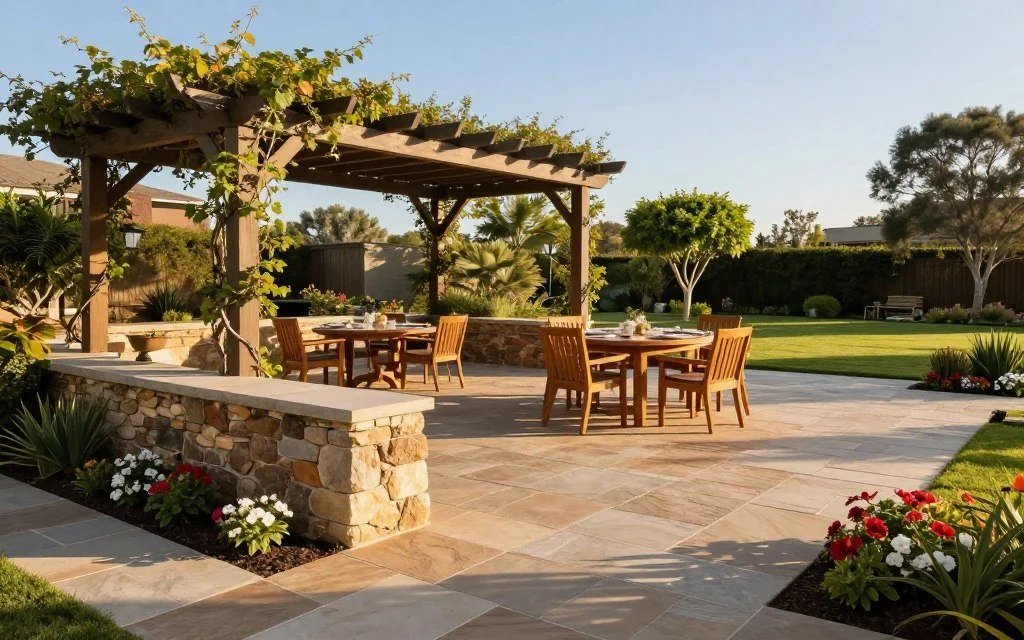
Permanent structures like arbors and paved walkways offer valuable contrast and enduring beauty, forming the essence of quality hardscape installation. These professional services focus on designing and building the non-living framework of your property.
Expert hardscaping installers create a cohesive look that connects your home's architecture to the natural surroundings. This process defines and organizes your exterior living environment effectively.
Exploring Permanent Outdoor Structures
These built elements remain in your landscape through every season. They do not grow or change like plants and flowers.
Durable materials such as stone, brick, and timber ensure structural soundness for years. This permanence creates a sense of order and enhances your yard's functionality.
Investing in these installations builds a lasting foundation for outdoor living. Your property gains both immediate appeal and long-term value.
Essential Materials and Design Elements
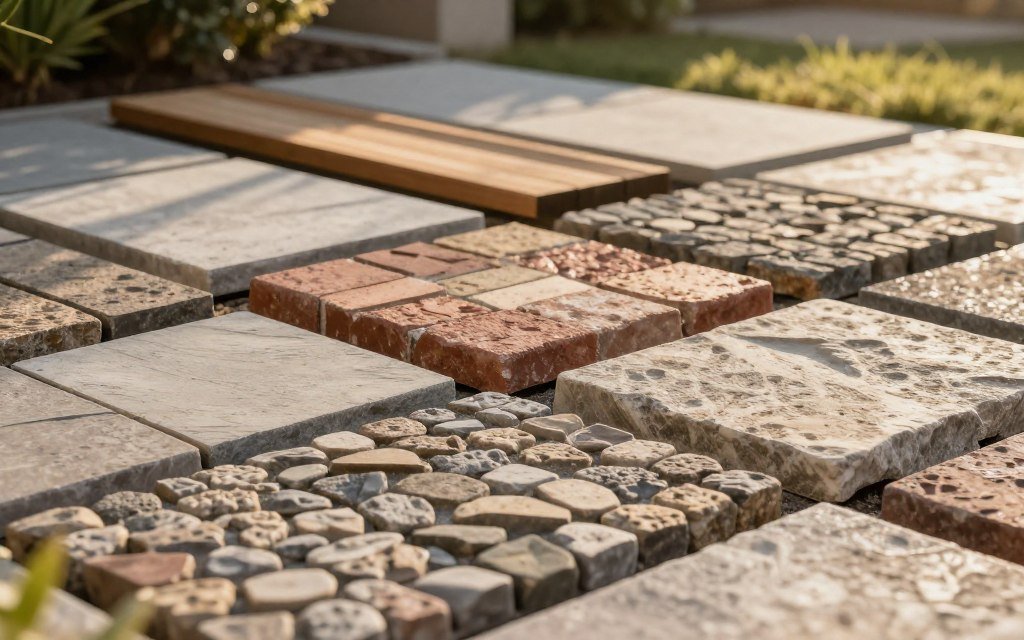
The foundation of any enduring outdoor space lies in the careful selection of its building blocks. These components determine your landscape's durability, style, and overall feel.
Choosing the right substance ensures your project lasts for years. It also creates a cohesive look that ties your entire property together.
Common Materials: Stone, Concrete, Wood, and Bricks
Concrete is widely considered the perfect material for virtually any hardscape design project due to its versatility. It offers exceptional durability and can be formed to mimic the look of natural stone.
Many homeowners prefer using wood for arbors or bricks for patios. These choices create a warm, inviting atmosphere in your outdoor living area.
The use of stones and gravel provides a natural aesthetic. This helps define walkways and borders throughout your residential yard beautifully.
Integrating Patios, Walls, and Walkways
Each material offers unique benefits for your design. The structural integrity of walls or the smooth surface provided by poured concrete are key examples.
Integrating these elements requires careful planning. You must ensure every material complements the overall design of your home's exterior.
Strategic placement of patios, walls, and walkways organizes your space. It creates distinct zones for relaxation and entertainment in your yard.
Benefits of Hardscaping for Your Outdoor Space
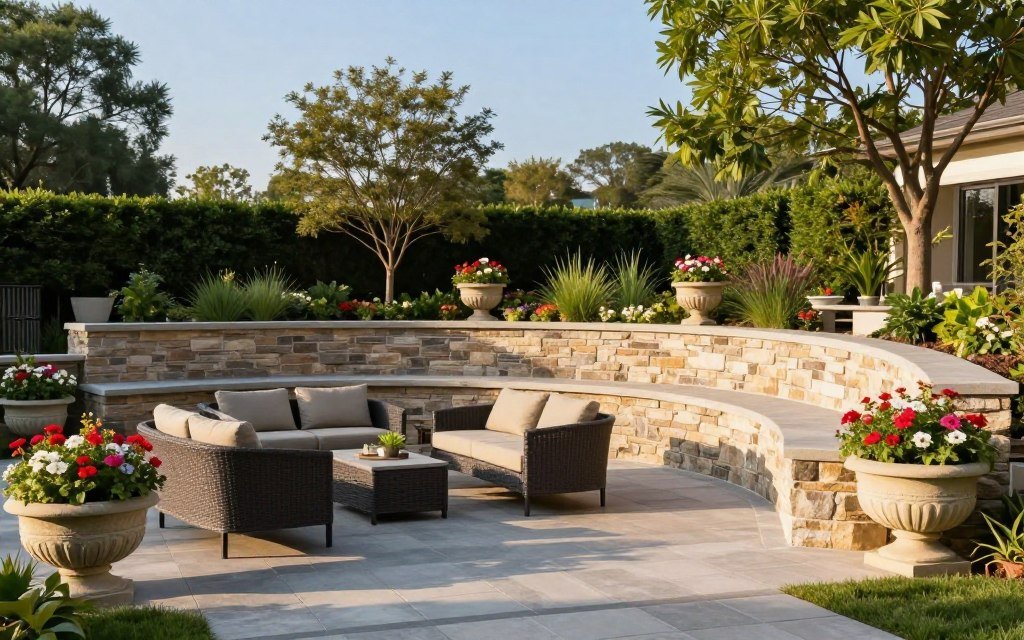
Beyond beauty, a well-designed hardscape delivers practical advantages that last for decades. These built features offer a powerful combination of immediate enjoyment and long-term gains for your property.
The advantages extend far beyond simple aesthetics. They create a more resilient and valuable extension of your living area.
Low Maintenance and Longevity
One major benefit is significantly reduced upkeep. Unlike living plants, permanent structures demand little ongoing care.
Built from durable materials, these features are designed to endure. They protect your yard from soil erosion and degradation over many years.
Elements like French drains expertly manage water flow. This prevents harmful flooding and protects your property's foundation.
Enhancing Property Value and Aesthetic Appeal
Installing quality hardscape is a smart financial investment. It can increase the overall market value of your home.
These additions create a usable outdoor space in every season. You can enjoy your property even when gardens are dormant.
This enhancement ensures your home remains attractive and functional. It appeals to both current residents and potential future buyers.
Incorporating Hardscaping into Your Landscape Design
The secret to a stunning and usable yard lies in the deliberate fusion of built and natural elements. This integration transforms a simple plot into a cohesive and functional outdoor room.
A successful landscape design relies on expert planning. It ensures every feature serves a purpose and enhances the whole property.
Strategic Planning with Professional Guidance
Engaging a professional is crucial for a harmonious result. These contractors understand how to balance solid structures with living greenery.
Local experts assess your specific site conditions. They determine the best placement for features that improve drainage and visual flow.
This strategic approach avoids common design pitfalls. It also ensures your project meets all local building codes and requirements.
Balancing Hardscape and Softscape Elements
Strategic planning ensures your hardscaping elements complement existing trees and shrubs. This creates a cohesive look for your entire landscape.
Achieving a perfect landscape design involves careful consideration of seasonal use. Your outdoor space should remain inviting and functional year-round.
The right balance makes your property more enjoyable and valuable. It turns your vision into a lasting, beautiful reality.
Hardscaping vs Softscaping: Understanding the Differences
The art of landscaping hinges on the strategic interplay between living and non-living features. A truly balanced environment in your residential yard requires both categories working together.
Key Distinctions Between Permanent and Living Elements
Softscape refers to all the living, horticultural components. This includes flowers, shrubs, trees, and lush grass.
These elements bring color, texture, and seasonal change to your property. They grow, bloom, and require regular care like watering and trimming.
In contrast, hardscape involves the inorganic, permanent structures. Think of stone patios, brick walls, and concrete walkways.
These non-living elements provide the essential framework. They anchor the design, define spaces, and prevent soil erosion.
Understanding hardscaping softscaping is key. Combining them creates a dynamic outdoor space that is both beautiful and structurally sound.
Professional designers blend these distinct categories for harmony. The result is a yard that feels like a natural extension of your home.
Popular Hardscape Projects and Features
From managing terrain to creating entertainment zones, popular built projects address a wide range of homeowner needs. These installations form the core of many landscape upgrades.
Retaining Walls, Patios, and Water Features
Retaining walls are a classic example of a hardscape feature. They provide crucial structural support and aesthetic appeal across your property.
These walls manage slopes and prevent soil movement effectively. Patios and water features can transform a simple yard into a luxurious retreat.
This combination is perfect for hosting guests and relaxing outdoors. The sound of moving water adds a serene atmosphere.
Driveways and Stone Walkways
Driveways and stone walkways are a prime example of functional design. They serve as beautiful elements in your garden while guiding traffic.
Using gravel as a base for paths is another excellent example. This cost-effective material adds pleasing texture to your outdoor space.
These projects demonstrate how various stones create a unique atmosphere. Your home gains both utility and inviting charm.
Planning Your Hardscape Project with Professional Local Experts
Embarking on a hardscape project requires thoughtful collaboration with skilled professionals who understand your local environment. These experts bring invaluable knowledge about regional climate and soil conditions.
Their guidance ensures your design is both beautiful and built to last for many years. Trusted brands like Unilock have set industry standards for over 50 years with innovative paving products.
Design Considerations for Unique Outdoor Spaces
Every property presents unique challenges and opportunities. Professional designers assess sun exposure, drainage patterns, and your family's lifestyle.
They help select materials like durable concrete pavers that enhance curb appeal. This planning phase creates a cohesive look for your entire outdoor space.
How Local Expertise Can Guide Your Project
Local experts streamline the entire project timeline. Whether you're installing a new patio or renovating a garden, they manage every element.
Their experience prevents common mistakes, saving you time and money. They ensure high-quality concrete work and proper paver installation.
This partnership guarantees your landscaping project meets the highest standards. Your outdoor investment will provide enjoyment and value for decades.
Conclusion
Ultimately, transforming your outdoor area into a true extension of your home relies on a well-executed plan. Mastering hardscaping creates a balanced, functional, and beautiful landscape.
Integrating permanent hardscape features with living elements ensures your property remains a source of pride. Every successful project relies on thoughtful design and durable materials.
These additions enhance the overall value of your yard. They create defined areas for relaxation and entertainment in your outdoor space.
Consult with local experts to bring your vision to life. Enjoy the lasting benefits of a well-planned project for years to come.
