
Designing the Perfect Patio: Hardscape Ideas for Pennington Homes
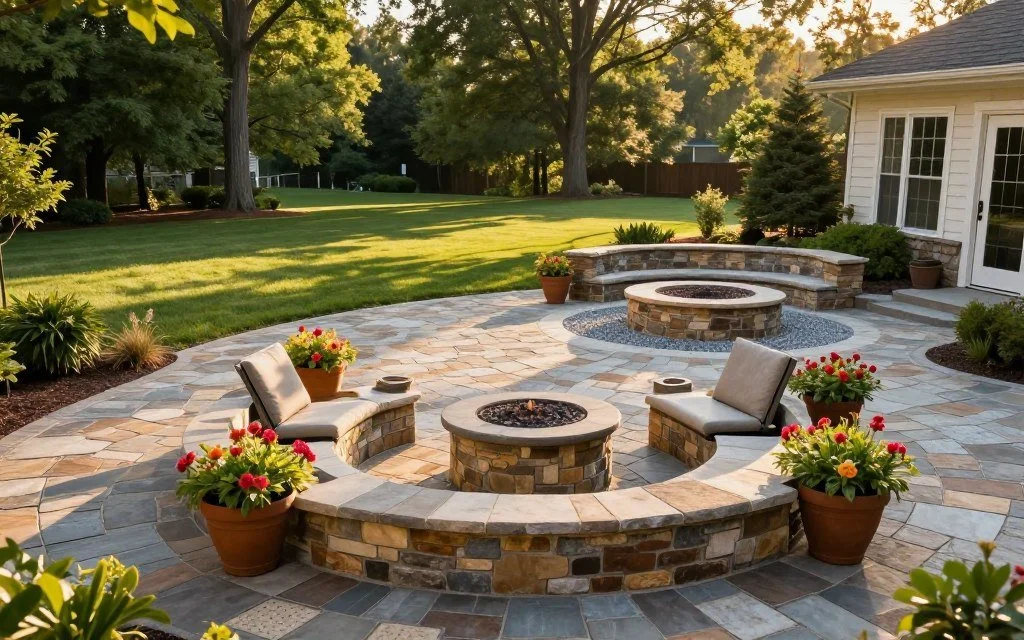
What if your backyard could become your favorite room in the house? For homeowners in Pennington, this dream is within reach. The secret lies in thoughtful hardscape design.
Hardscaping is the art of using non-living elements to shape your outdoor area. It transforms a simple yard into a functional living space. This approach is perfect for our local community.
A well-planned patio acts as a true extension of your home. It provides a spot for relaxation, dining, and entertaining. This adds both beauty and value to your property.
This article is your complete guide to patio projects. We cover everything from basic concepts to the latest trends. You will get clear, actionable ideas for your own space.
Good planning is crucial for any outdoor project. Professional input ensures your design lasts for years. It also creates harmony with your home's existing style.
Pennington's climate and regional tastes guide smart material choices. Your new patio should fit our local environment and your personal vision.
The ultimate goal is to create your own outdoor oasis. A great design boosts your home's curb appeal. It also increases property value and enhances your daily life.
Key Takeaways
Hardscape design transforms your yard into a valuable outdoor living area.
A patio serves as a functional and beautiful extension of your home.
Proper planning and professional advice are key to a durable, harmonious project.
Pennington's climate influences the best materials and design approaches.
A well-executed patio increases curb appeal, property value, and quality of life.
This guide provides actionable ideas to start your own transformation.
What is Hardscape? The Foundation of Your Outdoor Design
Think of your landscape as having two distinct parts: the hard, unchanging framework and the soft, living details. The first part is all about structure and permanence. It forms the essential backbone of your outdoor living area.
Defining the "Hard" in Your Landscape
This structural backbone is built from non-living, solid materials. These include stone, concrete, brick, wood, and pavers. They are the heavier, fixed objects in your yard.
This contrasts directly with softscape. Softscape refers to all the living, growing elements like plants, trees, and soil. Understanding this difference is key to good design.
These built features are permanent or semi-permanent. They define your yard's layout, traffic flow, and functionality from the start.
Common Hardscape Elements and Features
Many different structures fall into this category. Each serves a specific purpose in shaping your space.
Patios and walkways create the stage for daily life and entertaining. Driveways provide access and curb appeal. Retaining walls manage slopes and add visual interest.
Built features like pools, fountains, and arbors add luxury and focus. Even sprinkler systems are part of this infrastructure.
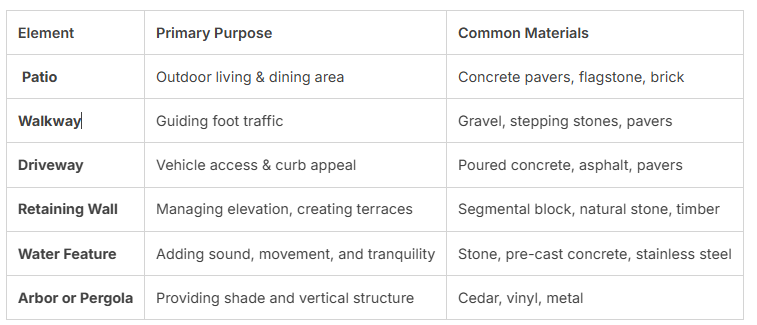
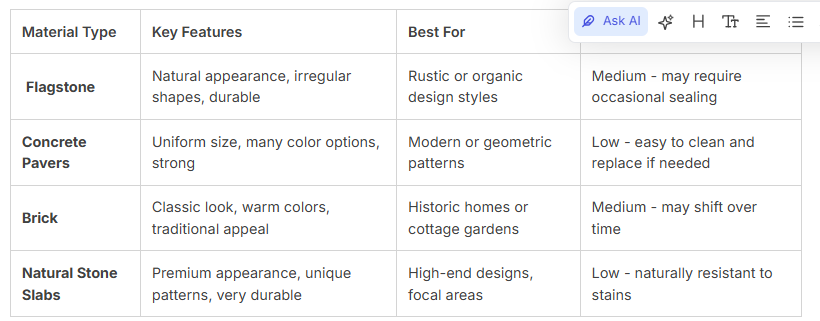
Your choice of materials impacts aesthetics, durability, and cost. Natural stone slabs offer a unique, high-end look. Concrete pavers provide uniform strength and many style options.
Classic brick delivers timeless charm. Each material type sets a different tone for your entire landscape design.
These elements create the "rooms" and pathways in your yard. They influence how you move through and use the space. Selecting them is the first step in a cohesive, intentional outdoor design.
Achieving Harmony: The Essential Balance of Hardscape and Softscape
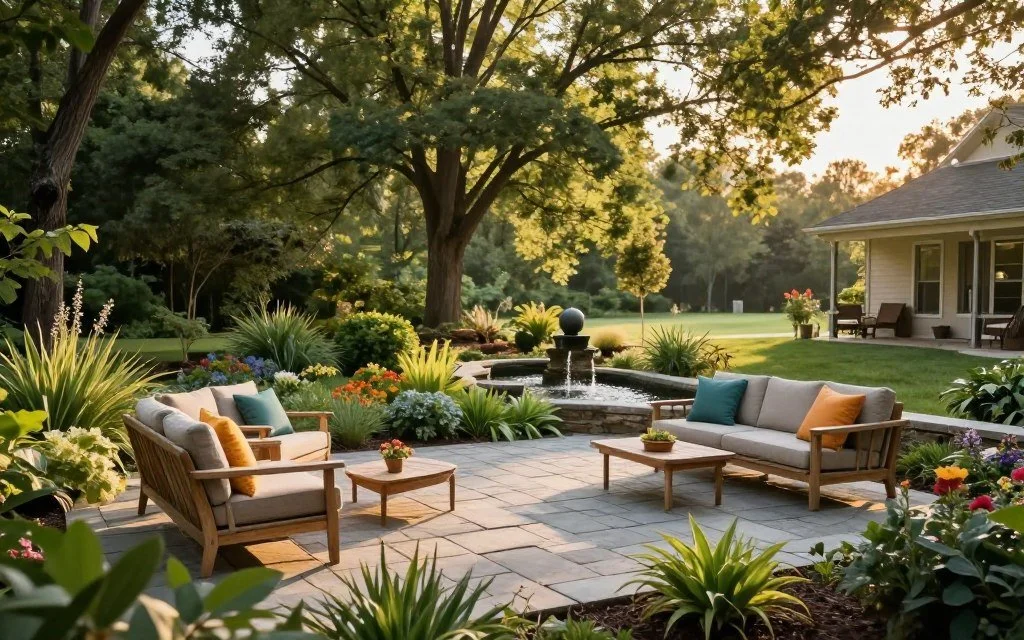
The secret to a stunning yard lies in the delicate dance between built form and natural growth. This interplay is the core of exceptional landscape design. It transforms a simple patio into a vibrant outdoor sanctuary.
Understanding Softscape: The Living Counterpart
Softscape defines all the organic, growing components of your landscape. This includes trees, shrubs, flowers, grass, and even soil and mulch. These elements are the living, breathing heart of your yard.
Softscaping provides vibrant color, rich texture, and delightful seasonal change. It offers ecological benefits like shade, habitat for wildlife, and improved soil health. This living layer brings constant movement and life to your property.
The difference between hardscape and softscape is fundamental. One provides permanent structure, while the other offers evolving beauty. Great landscaping skillfully merges both.
Why the Balance Matters for Curb Appeal and Enjoyment
Achieving a visual and functional balance is a critical design principle. The ideal landscape incorporates elements from both categories seamlessly. This harmony significantly boosts your home's curb appeal.
An over-hardscaped yard can feel cold, stark, and unwelcoming. Conversely, an over-softscaped yard may appear unkempt and lack clear definition. The happy medium creates an inviting space you and your guests will want to enter and enjoy.
Thoughtful softscape can soften the edges of built features. Allow creeping plants to spill gracefully over a retaining wall. Frame a patio with ornamental trees or flowering shrubs.
This balance connects people to nature. It makes outdoor areas feel more integrated and alive. Your home becomes a true retreat.
A proven method is to start with the hardscape layout as the foundation. Then, integrate softscape to complement and animate the space. This approach ensures both structure and life work in perfect concert.
Trending Hardscape Design Ideas to Transform Your Patio
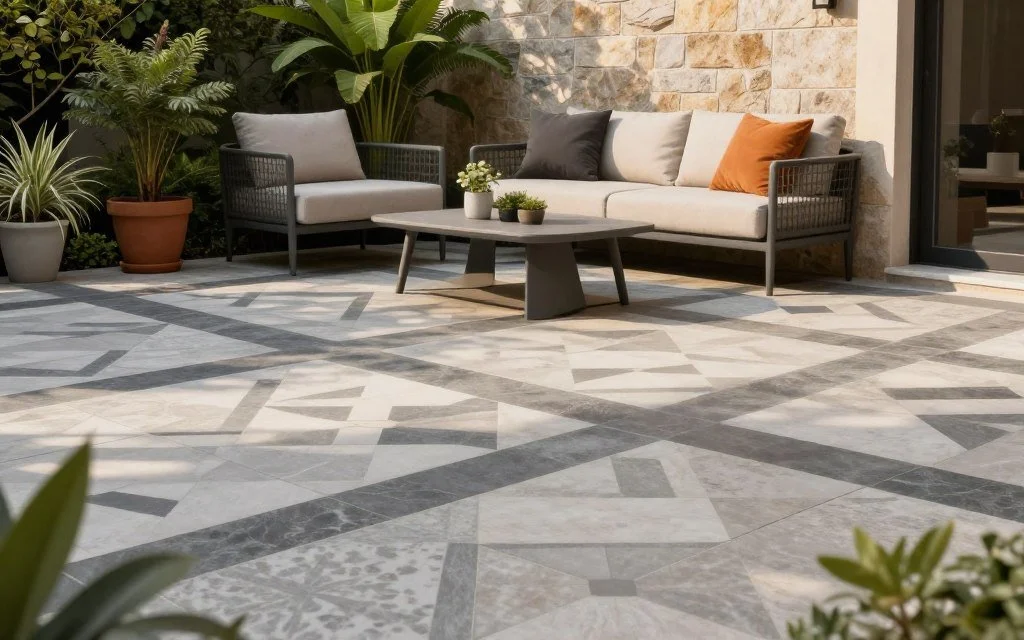
Today's most exciting patio projects are inspired by a desire to blend built environments with the natural world. A National Association of Home Builders survey found 58% of homeowners prioritize this connection. The result is a move towards dynamic, multi-sensory outdoor rooms.
These trends go beyond looks. They aim to improve wellness, functionality, and your property's ecological footprint. Your patio can become a true personal retreat.
Creating Seamless Indoor-Outdoor Connections
Blurring the line between inside and outside is a top priority. The goal is to make your patio feel like a natural extension of your home. This creates a fluid living experience.
One effective method is continuing your interior flooring material outside. Using large-format tiles on both sides of a glass door works well. Expansive openings like sliding or folding glass walls also erase visual barriers.
Fully furnishing these "outdoor rooms" completes the effect. Incorporate dedicated zones for cooking, dining, and relaxed lounging. This approach makes the space usable for more months of the year.
Crafting Focal Points with Geometric Shapes and Patterns
Geometric patterns are revolutionizing outdoor design. They add visual interest and help define different zones within a larger patio. This technique brings sophistication to your project.
Rectangular pavers laid in a herringbone or basket-weave pattern create strong lines. Hexagonal tiles offer a modern, honeycomb effect. Circular elements can define a central gathering spot.
Mixing shapes adds dynamic energy. Try framing a linear walkway with a border of smaller squares. Place a circular fire pit area within a patio of rectangular stones. This contrast creates a natural focal point.
Harmonizing Fire and Water Features
Combining fire and water is a powerful sensory trend. This yin-yang pairing balances warmth with tranquility. It engages multiple senses at once.
A fire pit or linear fireplace provides cozy warmth and flickering light. It becomes a social hub for cool evenings. The element of fire invites people to gather and relax.
Pair it with a nearby water feature like a fountain or small reflecting pool. The sound of moving water masks neighborhood noise. It introduces a calming, auditory layer to the space.
Together, they create a balanced and deeply engaging environment. This combination makes your outdoor area compelling at any hour.
Adopting Sustainable and Biophilic Practices
Biophilic design seeks to connect people with nature through the built environment. It integrates plant life directly into structural features. This approach supports well-being.
Living walls and vertical gardens turn a plain fence or wall into a tapestry of greenery. Green roofs on pergolas or storage sheds provide insulation. These elements soften hard lines and improve air quality.
Sustainable practices are both eco-friendly and practical. They manage water runoff and reduce the project's environmental impact. Many options are also durable and low-maintenance.
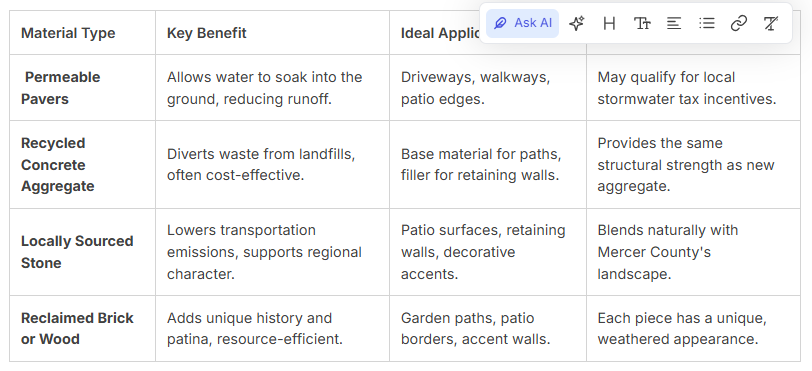
These leading ideas show how outdoor areas are evolving. They focus on creating deeper connections with nature and smarter use of materials. Your patio project can be beautiful, functional, and responsible.
Key Hardscape Elements for a Functional and Stylish Patio
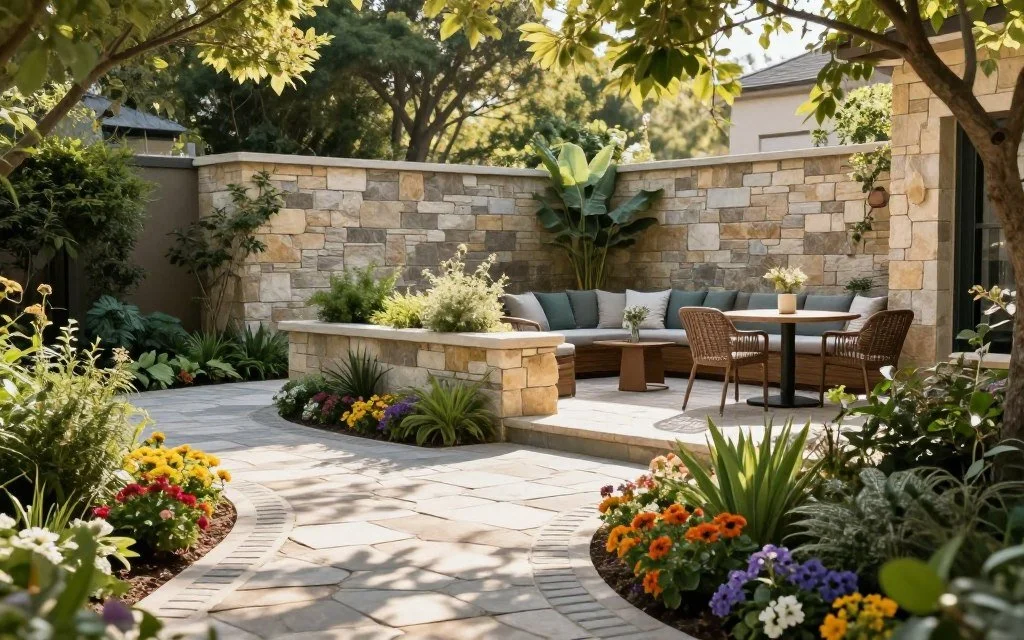
A well-designed outdoor space integrates several key elements that serve specific purposes. These components work together to create both beauty and utility. Your choices will define how you use and enjoy your patio for years.
Each element plays a distinct role in the overall design. From defining traffic flow to creating cozy gathering spots, these features form the backbone of your project. Thoughtful selection ensures a cohesive and inviting result.
Patios and Walkways: The Stage of Your Outdoor Space
Patios and walkways act as the foundational floor plan of your yard. They dictate how people move through the area and define main activity zones. These surfaces set the tone for your entire outdoor living experience.
Your choice of materials impacts durability, aesthetics, and maintenance. Flagstone offers a natural, irregular look with excellent durability. Concrete pavers provide uniform strength and come in many colors and shapes.
Classic brick delivers timeless charm and works well in traditional settings. Unilock natural stone slabs are another premium option. They feature low water absorption and strong freeze-thaw resistance for our climate.
Ethical sourcing adds value to natural materials. These slabs create a unique, high-end appearance that ages gracefully. Proper installation ensures a level, stable surface for furniture and foot traffic.
Retaining Walls and Vertical Structures
Retaining walls manage slopes and create usable planting beds. They turn challenging terrain into beautiful, functional areas. These structures can also provide additional seating when designed with wide caps.
Vertical elements add visual interest and enhance privacy. Systems like the U-Cara® Multi-Face Wall System allow for custom designs. You can create curved walls, built-in planters, or integrated lighting.
For privacy solutions, consider walls with Lineo™ Dimensional Stone or Estate Wall™ finishes. These materials offer a refined look while screening your space from neighbors. They create intimate outdoor rooms within your larger yard.
Safety and Privacy Considerations
Safety is crucial, especially for families with children or elderly visitors. Choose paving materials with non-slip textures like Umbriano® for wet conditions. Ensure all surfaces are level to prevent tripping hazards.
Proper lighting along walkways and steps improves nighttime safety. Illuminate changes in elevation and main pathways. This also extends the usable hours of your patio.
Privacy solutions blend built structures with living elements. Decorative screens and walls create immediate separation. Complement these with strategic planting of evergreen shrubs or trees.
This layered approach softens the look of walls while enhancing screening. It connects your built space to the natural landscape. The result is a secluded retreat that feels both secure and inviting.
These key elements form the complete picture of a functional patio. Each contributes to the overall experience of your outdoor living area. Careful planning ensures all components work together harmoniously.
Conclusion: Bringing Your Pennington Patio Vision to Life
Your journey to a perfect Pennington patio begins with a clear vision and ends with expert execution. This guide has equipped you with the fundamentals.
You now understand the value of balance between built and living elements. You've seen inspiring trends and learned about key functional components.
The goal is a cohesive design that complements your home's style and suits your lifestyle. Achieving this requires professional skill.
Hardscape features are technical and permanent. A skilled landscape architect can determine what works best for your space. Partnering with a Unilock Authorized Contractor ensures quality installation.
View this project as an investment in your property's value and your family's quality of life. Start by consulting a local hardscaping professional.
Soon, your transformed outdoor area will be a personalized retreat for relaxation and entertainment. Your vision is within reach.
FAQ
What exactly is considered "hardscape" in my yard?
Hardscape refers to the solid, non-living elements in your outdoor design. This includes patios, walkways, retaining walls, and structures like pergolas. These features form the foundation of your landscape, defining spaces and providing function.
How do I balance these built elements with my plants and lawn?
Achieving harmony is key. Aim for a mix where your solid materials and living greenery complement each other. A good rule is to ensure softscape like trees and shrubs soften the edges of stone or concrete, creating a natural and inviting outdoor living area with strong curb appeal.
What are some popular patio design trends for homes in our area?
Many Pe homeowners are creating seamless indoor-outdoor connections using large-format pavers. Adding focal points with geometric patterns or combining fire and water features is also trending. Using local stone and permeable materials for pavers promotes sustainable design.
What is the most important element to plan for first?
Your patio or primary walkway often serves as the stage for your outdoor space and should be planned first. It dictates the flow and function of the entire area. Consider the size, shape, and material, like brick or flagstone, that best fits your lifestyle and home's architecture.
Are retaining walls just for holding back soil, or can they be decorative?
They serve both purposes beautifully. While they manage slopes and prevent erosion, they can also be stunning design features. Constructed from materials like natural stone or segmental blocks, they add vertical interest and can create terraced levels for planting or seating.
How do I choose the right materials for our climate?
Select materials rated for freeze-thaw cycles, like certain types of concrete pavers or native stone. Proper base preparation and drainage are critical to prevent shifting and cracking. Consulting with a local professional landscaper familiar with Pennington conditions is highly recommended.
